
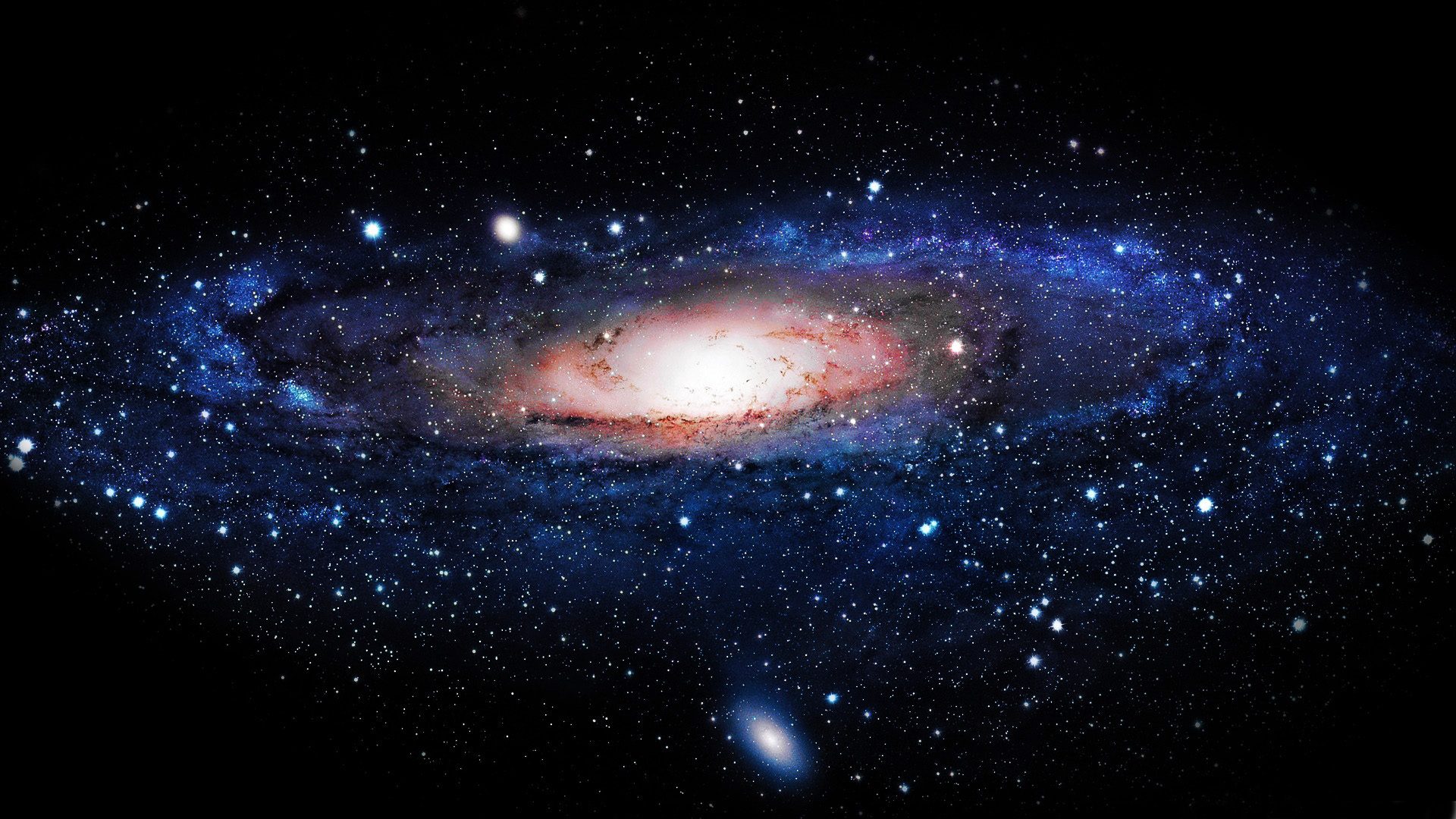

The Milky Way, our home galaxy, is a vast, spiral-shaped collection of stars, planets, gas, and dust stretching over 100,000 light-years in diameter. Within its spiral arms, our solar system resides on one of the outer edges. The Milky Way is teeming with billions of stars, including our Sun, and hosts an array of celestial wonders such as nebulae, clusters, and pulsars. As we gaze into the night sky, we are witnessing the brilliance of our galactic home.
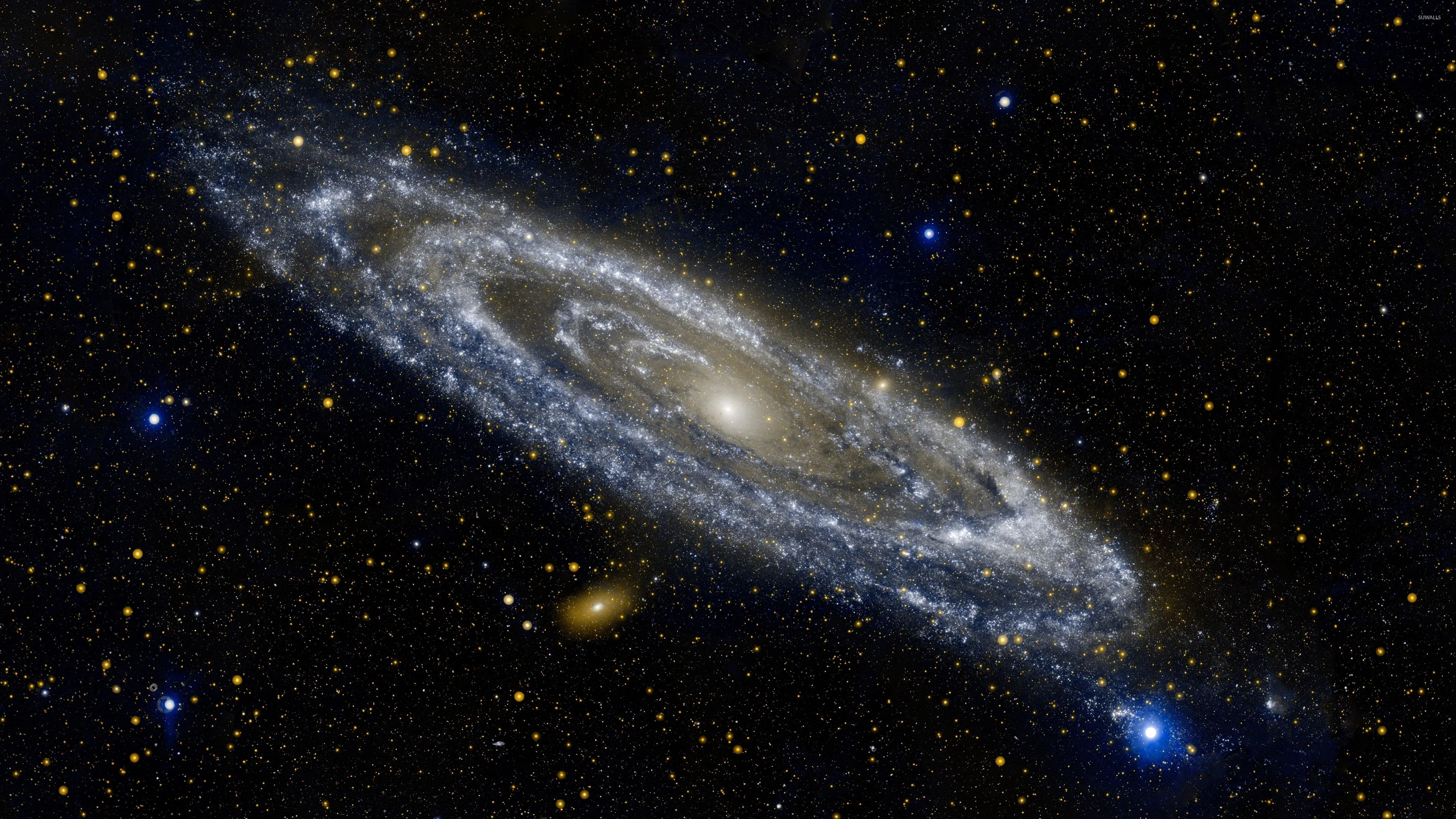
One of the closest neighbors to the Milky Way is the Andromeda Galaxy, located about 2.5 million light-years away. Andromeda is a majestic spiral galaxy similar in structure to our own, and it's on a collision course with the Milky Way. Scientists predict that in about 4 billion years, these two galaxies will merge, forming a new, larger galaxy.
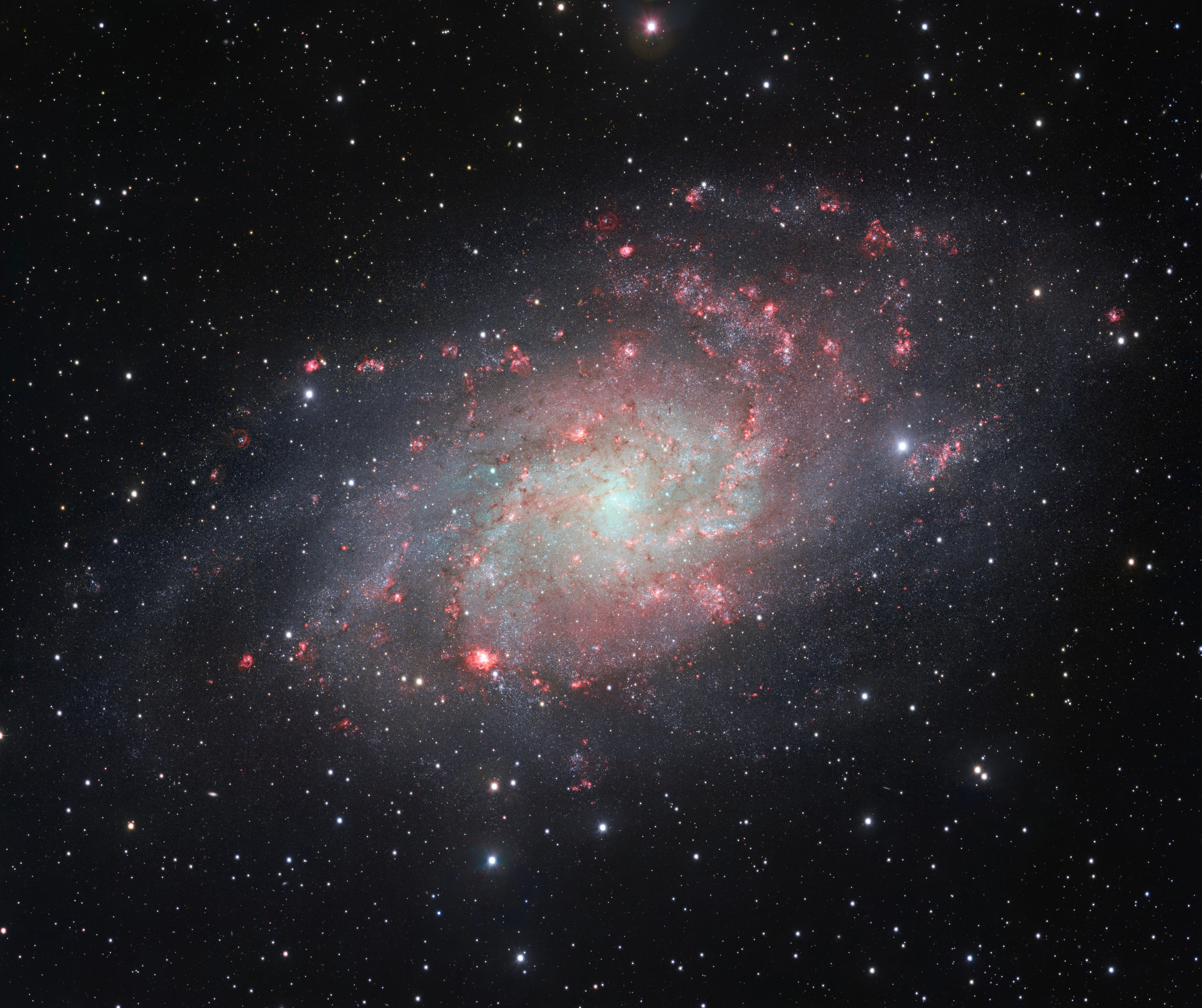
Beyond Andromeda, there's the Triangulum Galaxy, a smaller spiral galaxy that is part of the Local Group, a collection of galaxies that includes the Milky Way and Andromeda. The Triangulum Galaxy, also known as M33, is characterized by its loosely bound spiral arms and is about 3 million light-years away from us.
Each galaxy has its unique characteristics and history, contributing to the vast tapestry of the universe. Studying galaxies helps astronomers unravel the mysteries of cosmic evolution, from the birth of stars to the dynamics of galactic collisions. The diversity of galaxies in our cosmic neighborhood provides a fascinating glimpse into the intricacies of the universe beyond our own celestial doorstep.
Andromeda, the nearest spiral galaxy to the Milky Way, captivates astronomers with its sheer size and beauty. It spans about 220,000 light-years across and contains a trillion stars—twice the number found in our own galaxy. Its distinct spiral arms, composed of dust, gas, and young, luminous stars, weave a cosmic tapestry that has inspired sky gazers for centuries. The Andromeda Galaxy is not only a stunning celestial spectacle but also a key player in the ongoing cosmic drama of galactic interactions.
Moving further into the cosmic expanse, the Triangulum Galaxy, or M33, adds another layer to the celestial narrative. It is a member of the Local Group, a galaxy cluster that includes the Milky Way, Andromeda, and several smaller galaxies. Triangulum is relatively smaller in size compared to its more massive counterparts but holds its own allure. With its bright core and delicate spiral arms, it offers astronomers valuable insights into the diversity of galactic structures and the processes shaping the universe on both grand and intricate scales.
Studying galaxies like Andromeda and Triangulum enables scientists to trace the cosmic history and understand the forces at play in the vastness of space. These galaxies serve as windows into the past, showcasing the evolution of stars, the formation of galactic structures, and the dynamic interplay of dark matter and visible matter that shapes the cosmos we observe today. As we explore these distant realms, we unravel the intricate tapestry of the universe and gain a deeper appreciation for the cosmic ballet in which galaxies are the celestial dancers.
The Triangulum Galaxy, also known as Messier 33 or NGC 598, is a spiral galaxy located in the constellation Triangulum. It is a member of the Local Group, which includes our own Milky Way galaxy and the Andromeda Galaxy. The Triangulum Galaxy is the third-largest galaxy in the Local Group, after the Milky Way and Andromeda, and it is the smallest spiral galaxy among them.
Spanning approximately 50,000 light-years, the Triangulum Galaxy is characterized by its intricate spiral arms, filled with regions of intense star formation and bright, young blue stars. Despite its size, Triangulum is easily visible from Earth, making it a popular target for amateur astronomers. The galaxy is situated at a distance of about 3 million light-years from our Milky Way, and it is moving towards us, which suggests a future collision with the Milky Way in several billion years.
Triangulum is home to a number of notable astronomical features, including the HII regions NGC 604 and NGC 595, which are vast clouds of ionized hydrogen where new stars are born. The galaxy has been extensively studied, with observations from various telescopes and space missions contributing to our understanding of its structure, composition, and evolutionary history. As technology advances, scientists continue to unveil the mysteries of this captivating spiral galaxy, providing insights into the broader processes shaping the cosmos.
The Sombrero Galaxy, designated Messier 104 (M104), is a stunning spiral galaxy located in the constellation Virgo. Its distinctive appearance earns it the nickname "Sombrero" due to the prominent dark dust lane that resembles the brim of a Mexican hat. This galaxy is approximately 29 million light-years away from Earth and is a prominent member of the Virgo Cluster of galaxies.
One of the notable features of the Sombrero Galaxy is its large and bright nucleus, which houses a supermassive black hole. The galaxy's spiral arms are tightly wound, creating a well-defined central bulge. The Sombrero is also surrounded by a vast, extended halo of stars, giving it a grand and majestic presence in the cosmos. Its appearance suggests a transitional state between spiral and elliptical galaxies.
The Sombrero Galaxy has been a subject of scientific interest, with studies revealing its complex structure and dynamics. Observations in various wavelengths, including radio, infrared, and X-ray, have contributed to our understanding of the galaxy's stellar populations, gas distribution, and the influence of the central black hole. The Sombrero Galaxy continues to captivate astronomers and stargazers alike, serving as a beautiful and intriguing object for astronomical exploration and research.
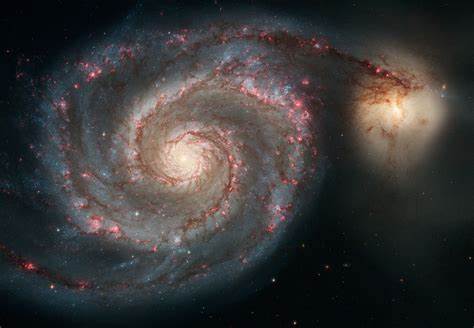
The Whirlpool Galaxy, also known as Messier 51 (M51) and NGC 5194, is a magnificent spiral galaxy located in the constellation Canes Venatici. It is one of the most iconic and studied galaxies, famous for its striking appearance and unique interaction with a smaller companion galaxy, NGC 5195. The Whirlpool Galaxy is situated approximately 23 million light-years away from Earth and is part of the larger M51 galaxy group.
The most distinctive feature of the Whirlpool Galaxy is its well-defined spiral arms, gracefully winding around a bright central nucleus. The gravitational interaction with NGC 5195 has induced a tidal bridge of stars and gas, creating a visually captivating cosmic dance between the two galaxies. This interaction has also triggered intense regions of star formation in the Whirlpool's spiral arms, leading to the formation of bright, young clusters of stars.
The Whirlpool Galaxy has been extensively studied across various wavelengths, from radio to X-rays, providing valuable insights into its structure, dynamics, and the processes governing galactic interactions. The galaxy's proximity and orientation make it an excellent target for amateur astronomers and professional observatories alike. As a result, the Whirlpool Galaxy serves as a key object for understanding galactic evolution and the impact of interactions on the formation and evolution of stars within spiral galaxies.
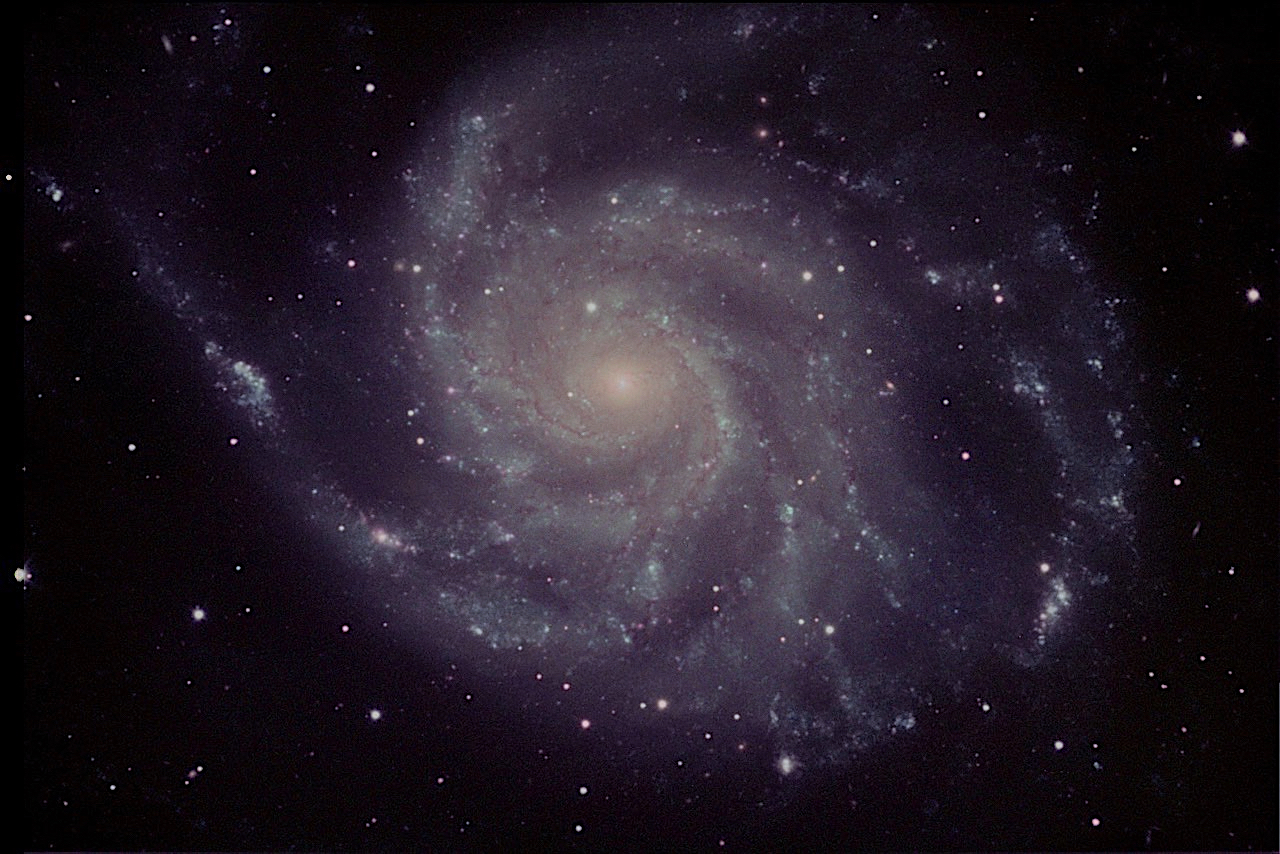
The Pinwheel Galaxy, also known as Messier 101 (M101) or NGC 5457, is a beautiful face-on spiral galaxy located in the constellation Ursa Major. It is one of the largest and most massive galaxies in the Messier Catalog. Positioned about 21 million light-years away from Earth, the Pinwheel Galaxy spans an impressive 170,000 light-years in diameter, making it nearly twice the size of our Milky Way.
The galaxy's name is derived from its intricate spiral arms that resemble the pinwheel toy. These arms are filled with regions of active star formation, giving rise to bright clusters of young, hot stars. M101 is home to numerous HII regions, which are vast clouds of ionized hydrogen, indicative of ongoing stellar birth. The Pinwheel Galaxy's grand design spiral structure is enhanced by a central bar, adding to its visual appeal.
M101 has been extensively studied across multiple wavelengths, revealing its complex structure and dynamic processes. Observations in radio, infrared, and ultraviolet light have provided insights into the distribution of gas, the presence of dust lanes, and the life cycle of stars within the galaxy. The Pinwheel Galaxy's proximity and orientation make it a popular target for both amateur and professional astronomers, contributing to our broader understanding of spiral galaxy evolution and the mechanisms driving cosmic star formation.
The Large Magellanic Cloud (LMC) is a satellite galaxy of the Milky Way, located in the southern hemisphere constellation Dorado. It is one of the closest galaxies to our own, situated approximately 160,000 light-years away. The LMC is a barred irregular galaxy with a somewhat disrupted appearance, influenced by gravitational interactions with both the Milky Way and its smaller companion, the Small Magellanic Cloud.
One of the most prominent features of the LMC is the Tarantula Nebula, a vast region of intense star formation. The Tarantula Nebula is home to numerous massive, young stars and serves as a stellar nursery, shaping the future evolution of this galaxy. The LMC also contains a variety of other interesting astronomical phenomena, including globular clusters, supernova remnants, and large star-forming regions.
The Large Magellanic Cloud has played a crucial role in astronomical research, serving as a unique laboratory for studying stellar evolution and galaxy dynamics. Its proximity allows astronomers to observe individual stars in detail, providing insights into the life cycles of different stellar populations. The LMC has been a target for various space telescopes and ground-based observatories, contributing valuable data to our understanding of cosmic processes and the broader structure of the Local Group of galaxies to which both the Milky Way and the LMC belong.
The Small Magellanic Cloud (SMC) is a dwarf galaxy that orbits the Milky Way, located in the southern constellation Tucana. As a satellite galaxy, the SMC is one of the closest neighbors to our own Milky Way, situated at a distance of approximately 200,000 light-years. It is part of the Local Group, a collection of galaxies that includes the Milky Way, Andromeda, and several other smaller galaxies.
The Small Magellanic Cloud has an irregular shape and exhibits signs of tidal interactions with the Milky Way and the Large Magellanic Cloud. Despite its diminutive size compared to larger galaxies, the SMC is a rich source of astronomical phenomena. It contains a variety of star clusters, nebulae, and variable stars, making it an intriguing object of study for astronomers.
One notable feature of the SMC is the 47 Tucanae, a globular cluster within its boundaries. This cluster is particularly interesting due to its size and density, containing a large number of stars packed closely together. The SMC has been extensively observed by various telescopes and instruments, contributing to our understanding of stellar populations, star formation, and the dynamics of dwarf galaxies. Its unique characteristics make the Small Magellanic Cloud a valuable target for astronomers seeking insights into the broader processes shaping the cosmos.
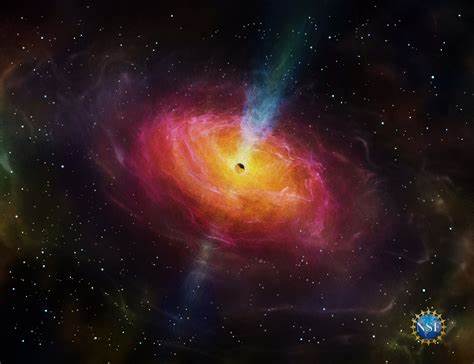
Messier 87 (M87) is a massive elliptical galaxy located in the Virgo Cluster, approximately 55 million light-years away from Earth. One of the most remarkable features of M87 is its enormous central supermassive black hole, which gained global attention in April 2019 when the Event Horizon Telescope collaboration unveiled the first-ever image of a black hole. The black hole at the center of M87 has a mass of about 6.5 billion times that of the Sun.
M87 is a giant elliptical galaxy with a population of old stars, lacking the distinct spiral arms seen in spiral galaxies. Its bright nucleus and vast halo of stars make it a prominent member of the Virgo Cluster. The galaxy is also known for its powerful jet of high-energy particles, extending for thousands of light-years from the central black hole. This jet is a result of intense magnetic and gravitational forces at play near the black hole.
The groundbreaking observations by the Event Horizon Telescope not only provided an iconic image of a black hole but also offered an opportunity to test the predictions of general relativity under extreme conditions. The study of M87 continues to be a focal point for astrophysical research, shedding light on the formation and evolution of massive galaxies, the nature of supermassive black holes, and the intricate interplay of matter and energy in the cosmic landscape.
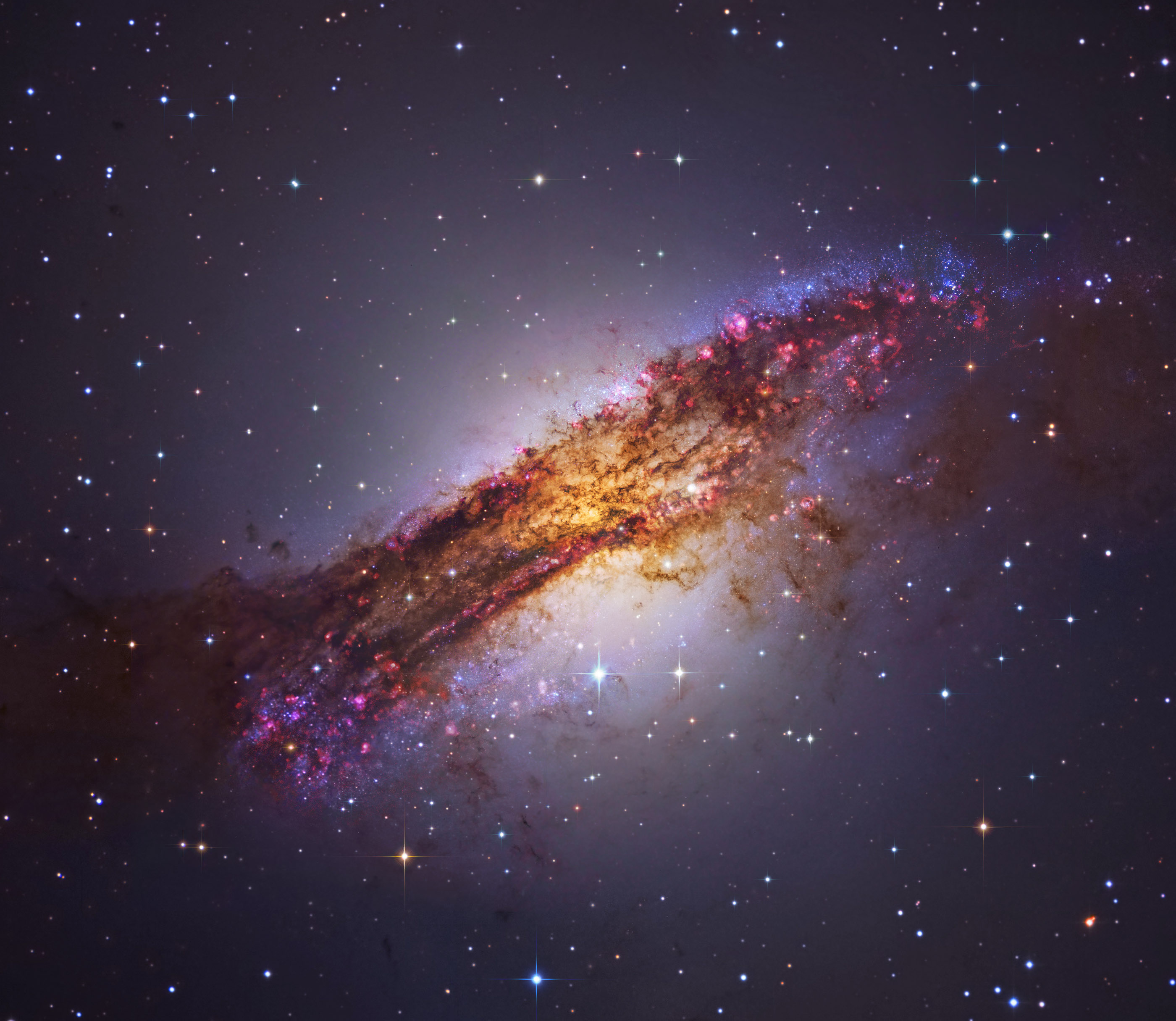
Centaurus A, also known as NGC 5128, is a distinctive and intriguing galaxy located in the constellation Centaurus. Roughly 11 million light-years away from Earth, this galaxy stands out due to its peculiar appearance, resulting from a complex history of galactic interactions. Centaurus A is a hybrid galaxy, featuring both characteristics of elliptical and spiral galaxies.
At its core, Centaurus A harbors a supermassive black hole with a mass of approximately 55 million times that of the Sun. This black hole is known for its dynamic influence on the surrounding environment, contributing to the formation of the galaxy's unique features. One of the most notable aspects of Centaurus A is the dark band of dust that bisects its bright core, thought to be the result of a merger with a spiral galaxy.
The galaxy is also recognized for its powerful radio emission, stemming from the presence of an active galactic nucleus and a vast radio jet extending over a million light-years. The jet is the result of high-energy processes near the central black hole, creating a spectacular and energetic display.
Centaurus A has been extensively studied across various wavelengths, from radio to X-rays, providing crucial insights into the processes governing galaxy formation and evolution. Observations of this galaxy contribute to our understanding of the interactions between galaxies, the role of supermassive black holes, and the broader cosmic structure in the nearby universe.